Pediatric Restorative Dentistry 2019
* High-quality color printing
* Same content as the original book
* Affordable alternative for personal reading
⚠️ Not an officially licensed or publisher-issued edition
This book describes and discusses the different restorative options for managing carious lesions in children with primary and mixed dentition. The aim is to provide practitioners with thorough, up-to-date information that will improve their clinical practice. The opening chapters present a comprehensive overview regarding diagnosis of carious lesions, risk assessment, child behavior and development, and behavioral management. The importance of oral health promotion and prevention in controlling lesion progression and maintaining oral health is reviewed. The impact of various factors on clinician decision making is then explained in detail, examples including the type of dentition (primary versus permanent), the clinical and radiographic aspect of the dentine carious lesion (noncavitated or cavitated), and whether the lesion is associated with a developmental defect. Guidance is provided on selection of nonoperative versus operative interventions, and the restorative materials most frequently used in pediatric dentistry are fully described, highlighting their advantages and disadvantages. Readers will also find an informative series of cases, with explanation of the choices in terms of materials and approach.
Product Information
Product Information
Shipping & Returns
Shipping & Returns
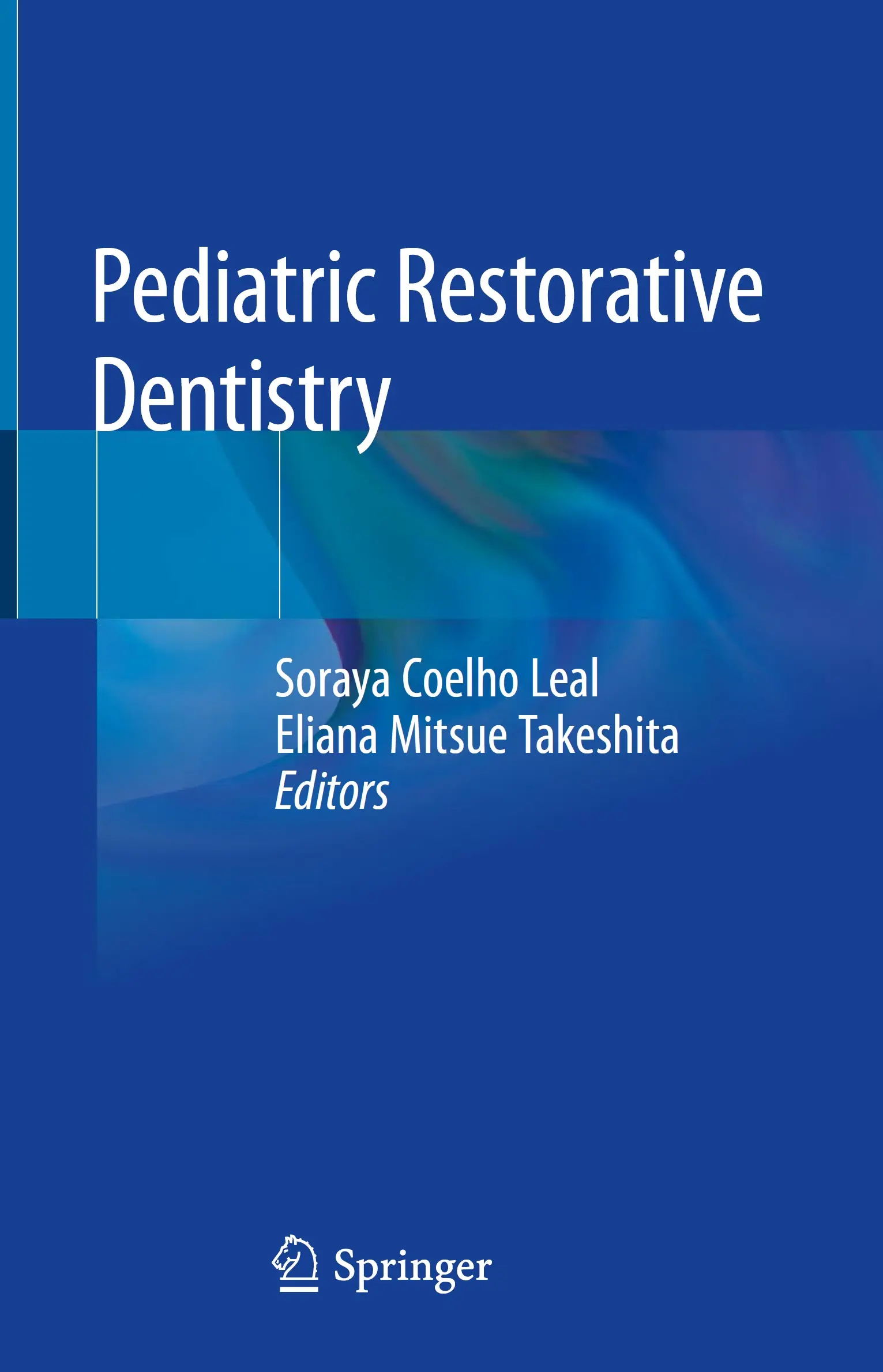
Pediatric Restorative Dentistry 2019
Pediatric Restorative Dentistry 2019
* High-quality color printing
* Same content as the original book
* Affordable alternative for personal reading
⚠️ Not an officially licensed or publisher-issued edition
This book describes and discusses the different restorative options for managing carious lesions in children with primary and mixed dentition. The aim is to provide practitioners with thorough, up-to-date information that will improve their clinical practice. The opening chapters present a comprehensive overview regarding diagnosis of carious lesions, risk assessment, child behavior and development, and behavioral management. The importance of oral health promotion and prevention in controlling lesion progression and maintaining oral health is reviewed. The impact of various factors on clinician decision making is then explained in detail, examples including the type of dentition (primary versus permanent), the clinical and radiographic aspect of the dentine carious lesion (noncavitated or cavitated), and whether the lesion is associated with a developmental defect. Guidance is provided on selection of nonoperative versus operative interventions, and the restorative materials most frequently used in pediatric dentistry are fully described, highlighting their advantages and disadvantages. Readers will also find an informative series of cases, with explanation of the choices in terms of materials and approach.
Product Information
Product Information
Shipping & Returns
Shipping & Returns
Description
* High-quality color printing
* Same content as the original book
* Affordable alternative for personal reading
⚠️ Not an officially licensed or publisher-issued edition
This book describes and discusses the different restorative options for managing carious lesions in children with primary and mixed dentition. The aim is to provide practitioners with thorough, up-to-date information that will improve their clinical practice. The opening chapters present a comprehensive overview regarding diagnosis of carious lesions, risk assessment, child behavior and development, and behavioral management. The importance of oral health promotion and prevention in controlling lesion progression and maintaining oral health is reviewed. The impact of various factors on clinician decision making is then explained in detail, examples including the type of dentition (primary versus permanent), the clinical and radiographic aspect of the dentine carious lesion (noncavitated or cavitated), and whether the lesion is associated with a developmental defect. Guidance is provided on selection of nonoperative versus operative interventions, and the restorative materials most frequently used in pediatric dentistry are fully described, highlighting their advantages and disadvantages. Readers will also find an informative series of cases, with explanation of the choices in terms of materials and approach.